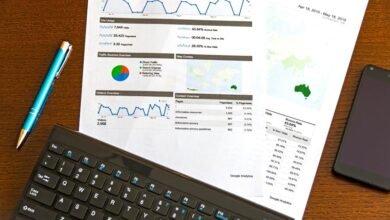
Business Operations Dashboard: 3852617127, 3852655102, 3853788859, 3854291396, 3862691047, 3882588734


The Business Operations Dashboard aggregates critical performance metrics, including sales growth and customer satisfaction. By utilizing data from various sources, it facilitates real-time monitoring of operational costs and effectiveness. This structured approach enables businesses to respond promptly to market fluctuations. However, the true value lies in how organizations can leverage these insights for strategic decision-making. What specific strategies can emerge from such data-driven analysis?
Importance of Real-Time Data in Business Operations
How crucial is real-time data in enhancing business operations?
Real-time analytics empowers organizations to swiftly adapt to market changes, significantly improving operational efficiency.
By leveraging timely insights, businesses can optimize resource allocation, streamline processes, and make informed decisions.
This immediacy not only fosters agility but also enhances competitiveness, allowing companies to thrive in dynamic environments where adaptability is paramount for success.
Key Performance Indicators to Monitor
Key Performance Indicators (KPIs) serve as essential metrics for assessing the effectiveness of business operations.
By focusing on relevant performance metrics, organizations can gauge operational efficiency and productivity.
Tracking trends over time allows businesses to identify areas for improvement and make informed decisions.
Key metrics may include sales growth, customer satisfaction, and operational costs, providing a comprehensive view of organizational health.
Leveraging Dashboard Insights for Strategic Decision-Making
While many organizations invest in data collection and analysis, the true value lies in leveraging dashboard insights for strategic decision-making.
By utilizing data visualization techniques, businesses can transform complex data into comprehensible formats.
Integrating these insights into decision frameworks enhances clarity, enabling leaders to make informed choices.
Ultimately, effective dashboard utilization fosters agility, empowering organizations to adapt and thrive in a dynamic environment.
Conclusion
In the realm of business, the dashboard serves as a vigilant lighthouse, guiding organizations through the fog of uncertainty. By illuminating key performance indicators, it empowers decision-makers to navigate turbulent waters with clarity and precision. Just as a skilled captain adjusts their course based on real-time conditions, businesses can optimize strategies and resources, ensuring they remain agile and competitive. Ultimately, the dashboard transforms data into actionable insights, fostering resilience and sustained growth in a dynamic marketplace.